Contents
- Why paying early saves money (and what it doesn't save)
- What it costs to settle early with AXAI Credit
- The numbers: settling a RM 20,000 personal loan early
- Timing: the earlier you settle, the more you save
- Settling between instalment dates
- Short-term loans: every day earlier is a day less interest
- Should you settle early, or keep the cash?
- Common mistakes to avoid
- How to settle step by step
- Summary
Your year-end bonus has landed, a customer paid an invoice early, or an EPF withdrawal came through, and suddenly you have spare cash. Should you use it to pay off your loan, pay off part of it, or keep it for emergencies? How much would you really save, and are there any charges? This guide works through real numbers so you can decide, and then walks you through how to settle without mistakes.
Why paying early saves money (and what it doesn't save)
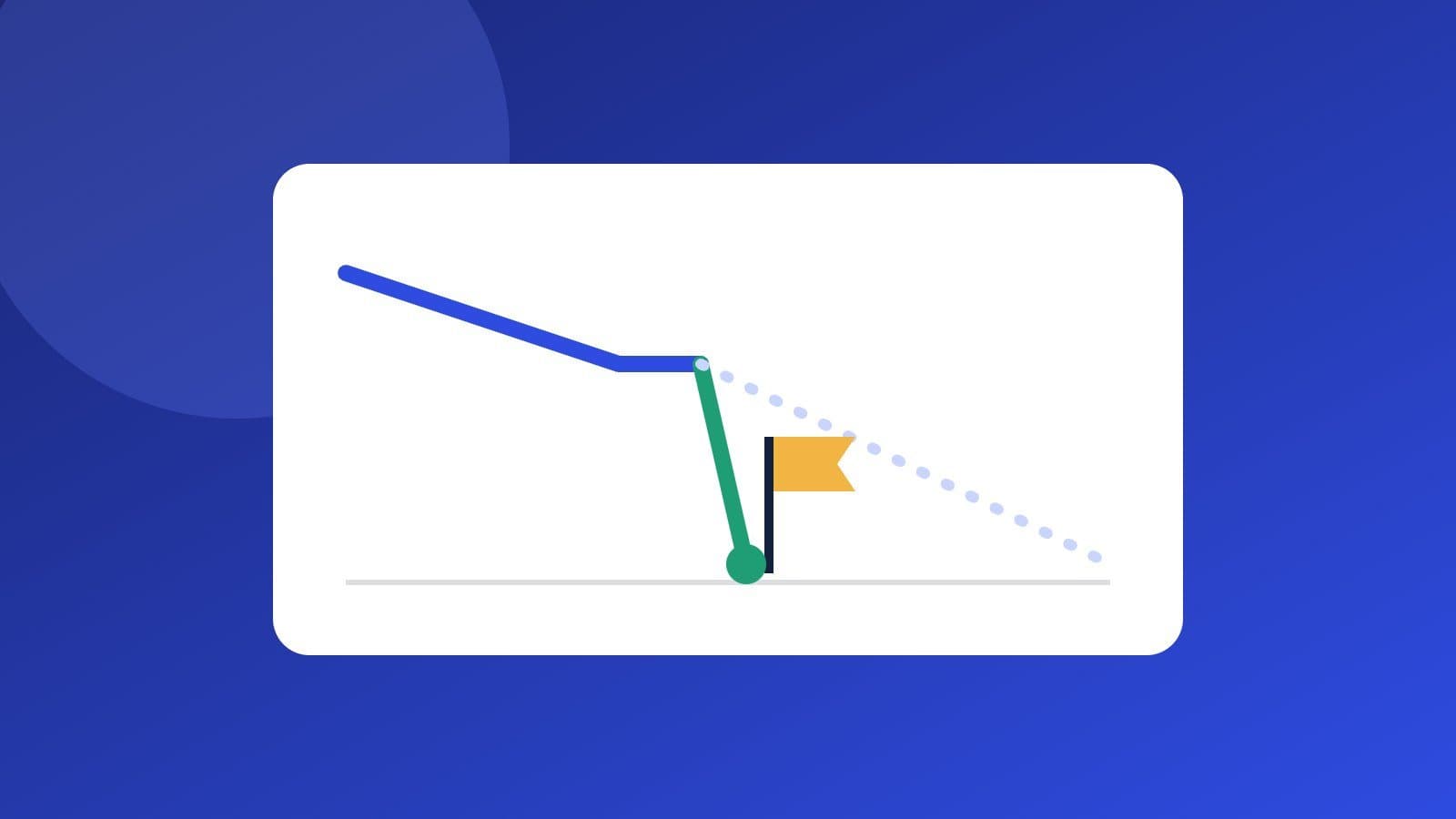
On a reducing-balance loan, interest is charged on the amount you still owe, for the time you owe it. When you repay principal early, that principal stops generating interest from that day on. What you save is the interest you would have paid in the future.
Two things follow from this:
- Interest you have already paid is not refunded. You used the money during that time, so that interest was earned.
- The saving shrinks every month you wait. With equal monthly instalments, the early payments are mostly interest and the later ones are mostly principal. By the last few months there is very little interest left to save.
If these terms are new, see reducing balance and early settlement in our glossary.
What it costs to settle early with AXAI Credit
Our licensed lending partner charges no early settlement penalty and no processing or service fees. To settle in full, you pay:
- the remaining principal, plus
- interest for the days since your last instalment, at the daily rate (annual rate ÷ 360).
That is all. Your final amount is the figure on the settlement statement your adviser gives you, so always ask for it before paying.
Other lenders may work differently. Some charge an early settlement fee. Some flat-rate loans fix the total interest at the start and, when you settle early, work out how much of it to rebate with a formula such as the Rule of 78. That formula assigns more of the interest to the early months, so you get back less than a reducing-balance calculation would give you. BNM has announced that, from 2027, banks will have to stop using flat-rate and Rule of 78 calculations for personal financing; that rule applies to banks, so ask any other lender how it works out a settlement figure. We don't use it: interest on our loans is worked out on the balance you still owe, month by month (and by the day when you settle between due dates), so there is nothing to rebate. Once you repay principal, it stops costing interest. Before settling any loan, ask the lender for a written settlement quotation that shows the principal, the interest and any fees separately.
The numbers: settling a RM 20,000 personal loan early
Suppose you borrow RM 20,000 over 24 months at 4.9% a year, our personal loan rate for every term. All figures below come from the same repayment calculation our website uses, and assume you settle right after an instalment has been paid.
- Monthly instalment: RM 876.53
- Total interest over 24 months: RM 1,036.76
- Total repaid: RM 21,036.76
After 6 instalments on time, your remaining principal is RM 15,181.87. The remaining 18 instalments would have contained RM 595.71 of interest.
Option 1: settle in full after month 6
You pay RM 15,181.87 straight after your 6th instalment. The loan closes and you save RM 595.71 in interest, more than half of the total interest on the loan.
Option 2: pay RM 5,000 off early and keep going
You put RM 5,000 towards the principal and keep the remaining 18 months:
- Remaining principal drops to RM 10,181.87
- New monthly instalment: RM 587.86 (down from RM 876.53)
- Interest saved compared with the original plan: RM 196.17
Option 3: pay RM 10,000 off early
- Remaining principal drops to RM 5,181.87
- New monthly instalment: RM 299.18
- Interest saved: RM 392.37
| Option after month 6 | One-off payment | Monthly instalment after | Interest saved |
|---|---|---|---|
| Keep paying as normal | RM 0 | RM 876.53 | RM 0 |
| Pay RM 5,000 early | RM 5,000.00 | RM 587.86 | RM 196.17 |
| Pay RM 10,000 early | RM 10,000.00 | RM 299.18 | RM 392.37 |
| Settle in full | RM 15,181.87 | RM 0 | RM 595.71 |
Notice that each RM 1,000 you prepay at this point saves roughly the same amount, about RM 39. Prepaying RM 10,000 saves about twice what RM 5,000 does. So the question is not "full or nothing", but how much cash you can spare after keeping your safety buffer.
These figures are illustrations at 4.9% a year. Every approved customer pays 4.9% a year, and your actual amounts follow your own repayment schedule and settlement statement.
How a partial prepayment works on our loans
With our licensed lending partner, a partial prepayment works like this:
- The minimum is RM 1,000. Anything you pay goes towards the principal.
- Your instalment goes down and the end date stays the same. The remaining instalments are recalculated over the same number of remaining months, as in the table above. The loan does not end sooner.
- Interest on the day is charged only on the amount you prepay. If you prepay between instalment dates, you pay interest on the prepaid amount for the days since your last due date. Interest on the rest of the balance is collected in your next instalment as usual. The examples above assume you prepay right after an instalment, so there is no interest on the day.
Some other lenders keep the instalment the same and end the loan sooner instead, which saves a little more interest but does not free up monthly cash. Our early settlement calculator works the same way as our loans: same end date, lower instalment.
Timing: the earlier you settle, the more you save
Here is the same RM 20,000, 24-month loan at 4.9%, settled in full at different points:
| Settle in full right after | Amount to pay | Interest saved |
|---|---|---|
| Month 3 | RM 17,605.66 | RM 801.51 |
| Month 6 | RM 15,181.87 | RM 595.71 |
| Month 12 | RM 10,244.49 | RM 273.91 |
| Month 18 | RM 5,184.88 | RM 74.34 |
| Month 23 | RM 873.01 | RM 3.56 |
Settling after month 3 saves more than three-quarters of the total interest. Settling one month before the end saves less than RM 4. If you know a large sum is coming, it is usually better to plan the settlement soon after it arrives than to wait.
Shorter loans have less interest to save in the first place. On a RM 10,000 personal loan over 12 months at 4.9%, total interest is RM 267.40 and settling after month 6 saves RM 72.58. Still worth having, but it is not a reason to empty your savings.
Settling between instalment dates
You do not have to wait for an instalment date. If you settle part-way through a month, you pay the remaining principal plus interest only for the days since your last instalment.
Using the example above, suppose you settle 15 days after your 6th instalment:
- Remaining principal: RM 15,181.87
- Daily interest: RM 15,181.87 × 4.9% ÷ 360 ≈ RM 2.07
- Interest for 15 days: about RM 31.00
- Settlement amount: about RM 15,212.87
You still save most of the RM 595.71, because the 15 days of interest are far less than the RM 61.99 that would have been in your 7th instalment. The exact figure will be on your settlement statement.
Short-term loans: every day earlier is a day less interest
Short-term loans are repaid in one go and charge interest by the day. At AXAI Credit the rate is 4.9% a year (about 0.0136% a day, worked out as the annual rate ÷ 360). On RM 3,000:
- Interest per day: RM 3,000 × 4.9% ÷ 360 ≈ RM 0.41
- Full 30-day term: interest RM 12.25, repay RM 3,012.25
- Repay on day 10: interest RM 4.08, a saving of RM 8.17
The bigger lesson is to choose the right term at the start. If you expect your salary or an invoice payment in two weeks, a 14-day term on RM 3,000 costs RM 5.72 in interest. Picking 30 days "just in case" does not cost more if you repay early, but it does mean a later due date that is easy to drift towards. Repay as soon as the money you were waiting for arrives. See short-term loans for the available terms.
Should you settle early, or keep the cash?
Use this checklist. If you can tick every item, settling early (in full or in part) is usually a good use of spare cash.
- You still have an emergency fund afterwards. A common rule of thumb is three to six months of essential expenses. Without it, one medical bill or a few weeks without income could push you to borrow again, possibly on worse terms.
- This is your most expensive debt. If you carry a credit card balance that you don't clear in full, that is usually charged at a higher rate (banks charge up to 18% a year, less for cardholders with a good payment record) and should normally be paid first. Rank your debts by annual rate and pay down from the top.
- The money isn't earmarked. Upcoming school fees, a car service, tax payable on your Borang BE or B, or a deposit you have committed to should stay where they are.
- There is no penalty, or the saving is bigger than the penalty. With us there is no penalty. With other lenders, compare the fee against the interest saved.
- You are not near the end of the loan. In the last few months the saving is small, and keeping the cash may be more useful.
- Your income is steady for the months ahead. If your job or business is uncertain, a partial prepayment that lowers your instalment can be a safer middle ground than settling in full.
Compare against what the cash would otherwise earn. Savings accounts and fixed deposits usually pay less than a personal loan charges, so using spare cash to cut the loan usually comes out ahead once your buffer is in place. Be more careful with retirement money: EPF savings grow over many years, and money taken out of EPF for a loan is money not compounding for your retirement.
Common mistakes to avoid
- Paying without a settlement statement. Guessing the amount leaves a small balance open, which can turn into late payment interest and, depending on the lender, show up on your credit report.
- Stopping instalments before the settlement is confirmed. Keep paying as scheduled until you have written confirmation the loan is closed.
- Paying into the wrong account. Only pay into the account named in your loan agreement or confirmed by your adviser. If anyone sends you new bank details or asks you to pay into a personal account, stop and check through our official channels. Scammers target people who are about to make a large payment.
- Emptying your emergency fund. The interest saved is rarely worth borrowing again in a hurry.
- Settling a cheaper loan while dearer debt stays open. Pay the highest rate first.
- Not keeping records. Keep the settlement statement, your payment receipt and the closure confirmation.
How to settle step by step
- Message your adviser on WhatsApp and say whether you want to settle in full or make a partial prepayment, and on which date.
- Get the settlement statement. Check the remaining principal, the interest to the settlement date, and that there are no other charges.
- Pay by bank transfer, FPX or JomPAY to the account in your loan agreement, before the date on the statement. If you pay later, the interest changes, so ask for an updated figure.
- Send your payment receipt to your adviser so the payment can be recorded.
- Ask for written confirmation that the loan is fully settled, or for your new repayment schedule after a partial prepayment.
- Check your credit report later. If the loan appears in your CCRIS or CTOS report (bank loans appear in CCRIS; licensed moneylender loans don't), check after a few weeks that it shows as settled. Our guide to reading your credit report explains what to look for.
Summary
Early settlement saves the interest you would have paid in future, so the earlier you do it, the more you save: on a RM 20,000, 24-month loan at 4.9%, settling after month 6 saves RM 595.71, but settling after month 23 saves RM 3.56. A partial prepayment (from RM 1,000) saves in proportion to what you pay and lowers your instalment while the end date stays the same, which suits people who want to keep a buffer. Before you pay, keep your emergency fund, clear your most expensive debt first, and get a settlement statement. To run your own numbers, try the early settlement calculator. To get a settlement statement, message your adviser on WhatsApp or call 011-2102 9366.
This article is general information only and is not personal financial advice. Approval and loan amounts are subject to assessment and your loan agreement. How we write and check our guides